
Soft Plastic Lizard Baits
Soft plastic lizard baits are one of the most recognizable and consistently effective big-fish presentations in bass fishing. From spawning beds in the spring to deep Carolina rigs in the summer to flipping heavy cover in the fall, the lizard has been producing tournament wins and trophy fish for decades. We offer bulk soft plastic lizard baits in multiple sizes and profiles, with custom color options and bulk pricing built for tackle retailers, lure brands, and serious tournament anglers.
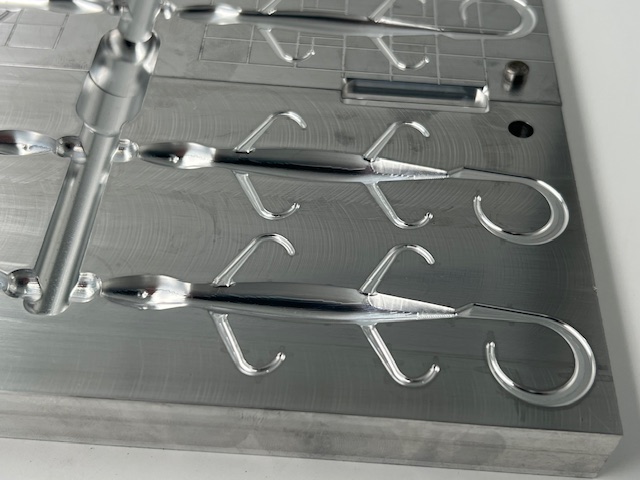
A Bass Fishing Classic Built for Big Bites
The soft plastic lizard is one of the most recognizable and time-tested baits in bass fishing. Its elongated body, multiple kicking legs, and slender tail produce a subtle, lifelike action that imitates small aquatic predators — the kind of creature that bass instinctively want to destroy on sight. From spawning flats to offshore ledges to vegetation-choked banks, lizard baits find a way to produce in virtually every bass fishing environment.
What makes lizard baits so enduring is their versatility. Unlike single-purpose baits that shine only in specific situations, a soft plastic lizard adapts:
- Texas rigged for punching into grass, dragging through rock, and flipping into tight cover
- Carolina rigged for covering deep structure, offshore humps, and transition areas quickly
- Shaky head or drop shot for a finesse approach that keeps all those appendages moving in one place
- Wacky rigged for a unique, spiraling fall that differs from anything else in the water
Lizard baits have been winning tournaments and fooling big bass since the early days of professional bass fishing — and they’re still doing it today. There’s a reason every serious angler keeps a bag of lizards in the boat. When the bite gets tough or the spawn comes around, nothing else quite fills the role.
Why Bass Strike Lizard Baits So Aggressively
Bass don’t just eat lizard baits — they attack them. Understanding why helps anglers know when to reach for a lizard and how to maximize its effectiveness.
- Lizards are nest predators. In the natural world, lizards, salamanders, and small aquatic reptiles are a genuine threat to bass eggs and newly hatched fry. Bass are hardwired to eliminate anything near their spawning beds that poses a threat. A soft plastic lizard dropped near a bedding bass triggers one of the most reliable, aggressive reactions in all of bass fishing — not a feeding strike, but a defensive one.
- They produce instinctive reaction strikes year-round. Even outside of spawn season, bass recognize the lizard profile as a predator and a competitor. That instinctive aggression doesn’t disappear when the beds are gone — it just becomes a hunting response rather than a defensive one. Lizards dragged along the bottom near structure, rocks, or laydowns get eaten because bass don’t want them there.
- Multiple appendages create constant subtle movement. Every leg, every ripple in the tail, every flex of the body creates independent action that the angler doesn’t have to generate. Even on a dead stop, a soft plastic lizard is doing something in the water. That constant subtle movement triggers hesitant fish that won’t commit to a bait that sits completely still.
- They excel on the bottom. Lizards are natural bottom baits. Their body profile, leg placement, and natural sink rate keep them in contact with the bottom — exactly where big bass spend the majority of their time. Dragged, hopped, or crawled slowly along the lake floor, a lizard mimics the way a real salamander or aquatic lizard moves, which is a presentation bass see as completely natural.
- They’re one of the best big-fish baits available. Lizard baits consistently produce larger-than-average bass. The combination of an aggressive profile, natural predator imitation, and bottom-oriented presentation targets the behavior of trophy-size fish that have seen every crankbait and spinner bait in the lake and aren’t interested — but will still eat a lizard.
- They cover multiple depth zones. A light Texas rig keeps the lizard up in the water column for slow-falling presentations over shallow cover. Heavier weights drive it down to deep ledges and offshore structure. The same bait adapts to 2 feet of water or 25 feet depending on how it’s rigged.
Soft Plastic Lizard Styles We Offer
Compact Lizard Baits
Smaller profiles built for finesse applications, high-pressure fisheries, and situations where downsizing the presentation gets more bites. Compact lizards are a strong choice for clear water lakes, cold water conditions, and any time bass are feeding on smaller forage or being selective about what they commit to. Fish these on light Texas rigs, drop shots, or a shaky head to maximize the subtle appendage action.
Standard Lizard Baits
The classic profile that built the lizard’s reputation in bass fishing. A balanced body length, four legs, and a slender tail come together in a bait that works across a wide range of rigging styles and fishing conditions. Standard lizards are the go-to choice for Texas rigging during the spawn, Carolina rigging offshore in summer, and everything in between. If you only carry one lizard size, this is it.
Large-Profile Lizard Baits
Bigger bodies, longer legs, and more pronounced appendages create a bait with serious visual presence in the water. Large-profile lizards are built for stained or off-color water where fish need a bigger target to track down, for targeting trophy-size bass that want a substantial meal, and for fishing heavy grass or timber where the extra bulk pushes through cover and displaces more water. When the conditions call for a bait that demands attention, this is the size that delivers.
Ribbed Body Lizard Baits
A body design featuring horizontal ribs or segmentation that adds texture, increases water displacement, and breaks up the outline for a more lifelike appearance. Ribbed lizard baits hold scent better than smooth-bodied designs and create additional drag on each leg movement, slowing the fall slightly for a more natural presentation. A popular option for anglers who want a lizard with a little extra detail.
Finesse Lizard Baits
Slim, streamlined bodies with minimal bulk designed for ultra-light presentations around finicky fish. Finesse lizards are ideal for clear reservoirs, spotted bass and smallmouth applications, and any situation where a traditional lizard size is simply too much bait. Drop-shot finesse lizards and shaky head finesse lizards are particularly effective on highly pressured lakes during the post-spawn period when fish are recovering and reluctant to chase.
Order Custom Lizard Baits in Bulk
Soft plastic lizards are a staple item for any tackle retailer, tournament supplier, or lure brand — and we make it easy to order them in the colors, sizes, and quantities your operation needs.
- Custom color options let you dial in the patterns your local anglers demand. Natural salamander colors like watermelon, green pumpkin, and brown are perennial top sellers, while regional favorites like junebug, black and blue, and bold chartreuse patterns move consistently in stained and tinted water fisheries. Solid colors, two-tone pours, and laminate designs are all available depending on the style you’re ordering.
- Color matching to local forage is something we take seriously. If your market fishes bodies of water with a specific baitfish or amphibian population, we can help you build color options that match what bass in those waters are already conditioned to eat.
- Flake and glitter additions give lizard baits extra flash and visibility in low-light conditions, stained water, or any situation where a little sparkle makes the difference between a strike and a miss. Silver, gold, red, and custom flake options are available.
- Soft plastic material selection plays a direct role in how a lizard bait performs. Softer formulas allow the legs and tail to move freely with minimal resistance, maximizing subtle action on the fall and the pause. Firmer blends hold up better through repeated casts in heavy cover. We’ll help you select the right material for your design and the fishing applications your customers are targeting.
- Private label and custom packaging available for brands looking to bring their own lizard bait line to market.
Tips for Fishing Soft Plastic Lizard Baits
Fish lizards during the spawn
it’s their strongest window. From pre-spawn staging through the bed fishing period, lizard baits are one of the most consistently effective big bass producers of the year. When fish are visible on beds, pitch a lizard to the edge of the bed and let it sit. Twitch it slightly. Let it crawl. Bass won’t tolerate a lizard near their nest for long — and the strike that follows is usually violent.
Go with natural colors in clear water, bold colors in stained water
Watermelon, green pumpkin, and natural brown tones are the standard choice for clear water where bass get a good look at the bait. In stained or muddy conditions, switch to dark solids like black and blue or junebug, or go bright with chartreuse, bubblegum, or two-tone combinations that give bass a better silhouette to track down.
Use the Carolina rig to cover offshore structure efficiently
A Carolina-rigged lizard is one of the best tools for finding and catching bass on deep ledges, humps, and transition areas in summer and early fall. The separation between the weight and the bait allows the lizard to float up off the bottom slightly, keeping all those legs and the tail moving in the water column where fish can see it. Drag it slowly, feel the bottom change, and hang on when the line goes tight.
Match your weight to the cover and depth
Light weights — 3/16 to 1/4 oz. — are ideal for shallow presentations over grass and beds where a slow fall triggers more bites. Heavier weights — 1/2 oz. and up — get the bait down to deeper structure quickly and keep it in contact with the bottom in current or wind. Don’t overlook a punch rig with a heavy tungsten weight for driving lizards through matted vegetation.
Slow down on the retrieve
Lizards are not search baits — they’re finesse bottom baits that reward patience. Crawl them slowly. Hop them gently. Let them sit on the bottom between movements. The more time the bait spends in the strike zone, the more chances a bass has to find it, study it, and commit. Fast retrieves on a lizard almost always result in fewer bites.
Target transition areas and hard bottom
Big bass position on areas where the bottom composition changes — gravel meeting clay, sand meeting rock, hard bottom meeting soft mud. These transitions hold fish because they attract crawfish, smaller prey, and baitfish. A lizard dragged through a transition zone puts the bait right in front of the predators that stage there.
Don't overlook lizards in the fall
Post-summer bass that are actively feeding to build weight before the cold can be incredibly aggressive on a lizard dragged along the bottom near baitfish schools and structural points. Fall lizard fishing often produces some of the biggest bites of the year and is an underutilized tactic on most fisheries.
Stock Up on the Bait That's Been Winning Tournaments for Decades
Soft plastic lizard baits are a proven performer from the first warm days of pre-spawn through the last casts of fall. They sell consistently at retail because bass anglers trust them — and that trust has been earned on the water over generations of tournament wins and personal bests.
Whether you’re filling out a lure brand lineup, stocking a tackle shop shelf, or ordering bulk for tournament season, we have the lizard styles, colors, and quantities to support your needs. Ready to pour your own? Our lizard molds give you the control to build a custom design from the ground up.
Have questions about styles, custom colors, or bulk pricing? Get in touch and we’ll help you put together the right order.