Crappie and Panfish Molds
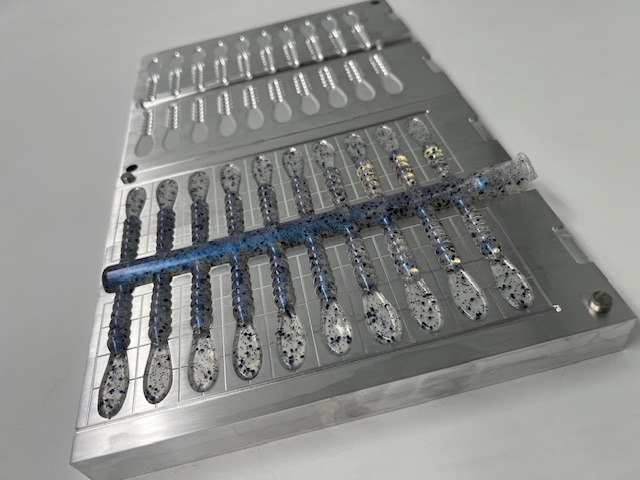
Crappie and panfish molds allow anglers to create precision finesse baits designed specifically for species like crappie, bluegill, perch, and other light-tackle targets. Unlike larger bass-oriented molds, these molds focus on compact profiles, subtle action, and highly controlled movement. When targeting panfish, small adjustments in size, softness, and color can dramatically impact success—and custom molds provide the flexibility to dial in those details.
Whether you fish vertically around brush piles, cast small jigs under docks, or target schooling crappie in open water, custom crappie and panfish molds help you produce consistent, effective soft plastics tailored to your waters.
For anglers who fish frequently or in bulk during peak seasons, pouring your own panfish baits is both practical and cost-effective.
Benefits of Making Your Own Crappie and Panfish Baits
Making your own panfish baits offers both financial and performance advantages. Because crappie and panfish are often caught in large numbers, anglers can go through significant quantities of soft plastics during peak seasons. Producing your own baits reduces long-term costs and ensures you never run short during a productive bite.
Customization is another key benefit. You can match local forage more precisely, experiment with subtle color variations, and refine action based on water clarity and fish behavior. In competitive or pressured waters, these refinements can lead to more consistent results.
Additionally, custom molds allow for bulk production. Pouring large batches of consistent, high-quality baits ensures you’re prepared for extended trips or tournament situations.
Why Crappie and Panfish Baits Require Precision
Panfish are often more selective than anglers expect. While they can be aggressive at times, they are also sensitive to bait size, color contrast, and movement. Because these species typically feed on small forage like minnows and aquatic insects, oversized or overly aggressive presentations can reduce bites.
Crappie and panfish molds allow you to create:
Smaller, refined bait profiles
Subtle tail action
Lightweight finesse designs
Controlled sink rates
These details are critical when fishing clear water, pressured lakes, or cold conditions where fish are less aggressive.
Types of Crappie and Panfish Molds
Micro Paddle Tail Molds
Micro paddle tail molds produce small swimbait-style baits designed for steady retrieves or slow swimming presentations. The subtle kicking tail creates enough vibration to attract fish without overpowering the bait.
These molds are excellent for:
Casting and retrieving
Light jig heads
Suspended crappie
Clear water situations
Adjusting plastic softness increases or decreases tail movement depending on water temperature and fish activity.
Straight Tail Finesse Molds
Straight tail molds produce minimal-action baits ideal for vertical jigging and slow presentations. These designs excel when fish are finicky or heavily pressured.
They are particularly effective for:
Brush pile fishing
Dock shooting
Cold water crappie
Ice fishing applications
Custom straight tail molds allow anglers to fine-tune body thickness and flexibility for maximum control.
Curly Tail Panfish Molds
Curly tail molds add slightly more movement, making them effective in stained water or when fish are feeding more aggressively. The curled tail produces consistent motion even at slow retrieve speeds.
These molds are often used for:
Casting from shore
Fishing around vegetation
Covering water efficiently
Adjusting tail thickness influences how aggressively the bait moves.
Customizing Panfish Baits with Aluminum Molds
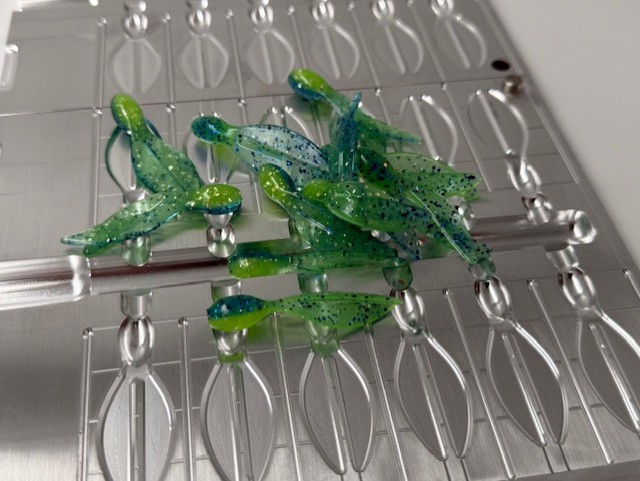
Aluminum crappie and panfish molds provide the precision required for small, detailed bait designs. Because these baits are compact, cavity detail and consistency matter even more.
When pouring panfish baits, anglers can adjust:
Plastic softness for subtle movement
Density for sink rate control
Bright or natural color schemes
Flake size for added visibility
Small adjustments can significantly impact how a bait behaves underwater.
When to Use Crappie and Panfish Molds
Crappie and panfish molds are especially valuable during:
Spring spawning seasons
Fall schooling activity
Cold water finesse fishing
High-pressure lake conditions
Because panfish often respond to subtle presentations, having precise, consistent baits can make a measurable difference.
Choosing the Right Crappie and Panfish Mold
When selecting a mold, consider:
Primary fishing technique
Water clarity
Depth range
Target species
If you primarily vertical jig, prioritize straight tail finesse molds. If you cast and retrieve often, micro paddle tails may be more effective.
Building a small collection of crappie and panfish molds allows you to adapt to seasonal shifts and feeding patterns.
Why Bulk Plastic Baits Crappie and Panfish Molds Stand Out
Bulk Plastic Baits focuses on practical mold designs that produce clean, consistent pours. Each crappie and panfish mold is built to create realistic, effective finesse baits suitable for light-tackle applications.
Whether you’re a weekend angler stocking up for spring or a serious fisherman targeting schooling crappie, these molds provide durability, precision, and repeatable performance.
Build a Finesse-Focused Soft Plastic Setup
Crappie and panfish molds give anglers the ability to create precise, high-performing finesse baits tailored to specific water conditions. From vertical jigging to open-water casting, these molds help refine presentation and improve consistency.
By adding crappie and panfish molds to your soft plastic lineup, you gain control over every detail—ensuring your baits perform exactly how you need them to when targeting light-tackle species.