



How Wholesale Soft Plastic Baits Can Boost Your Tackle Business
If you run a tackle shop, guide service, or online bait store, you already know that margins matter as much
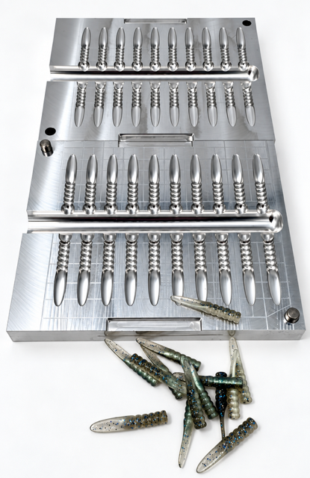
Picture this: it’s a quiet morning on the water near Whitehouse, TX, and you reach into your tackle bag only to find you’re out of your favorite soft plastic worm. For years, that scenario meant a frustrating trip to the store and a dent in the wallet. But once we discovered the world of bait molds soft plastics, everything changed. At Bulk Baits, our passion is helping anglers take control of their lure supply, customize every detail, and save serious money in the process. Making your own soft plastic baits isn’t just a hobby—it’s a game-changer that puts creative power and consistency right in your hands. In this guide, we’ll walk you through exactly how bait molds can transform your soft plastic lure game from the ground up.
When we first started pouring our own baits, we were amazed at the difference it made. Store-bought lures are convenient, but they lock you into limited colors, sizes, and styles. With bait molds, you become the manufacturer. You decide the shape, the color, the scent, and the quantity. That kind of control is priceless for serious anglers who want their presentation dialed in perfectly.
The economics alone are compelling. A single bag of premium soft plastics can cost between $4 and $8 for just a handful of baits. When you pour your own, the per-bait cost drops dramatically—often by 70% or more once you’ve invested in the basic equipment. Here’s what makes the switch so worthwhile:
For anglers who fish often, the volume adds up fast. We’ve talked to customers who go through hundreds of baits in a single tournament season. When you’re using that many, the ability to produce bait molds soft plastics at home transforms both your budget and your confidence on the water.
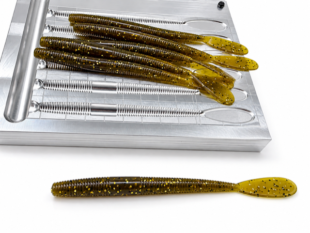
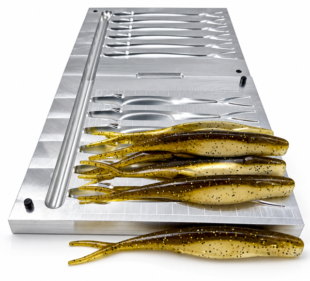
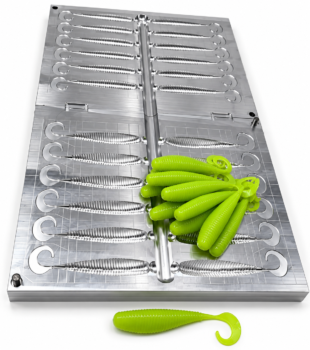
Not all molds are created equal, and choosing the right one depends on the style of fishing you do. Over the years, we’ve worked with just about every type of mold on the market, and we’ve learned that matching the mold to your technique makes all the difference. Let’s break down the most common options.
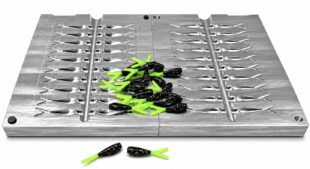
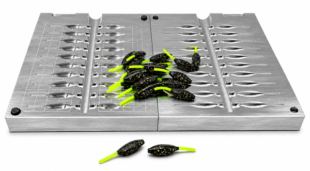
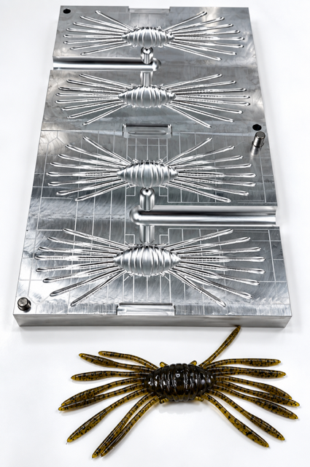
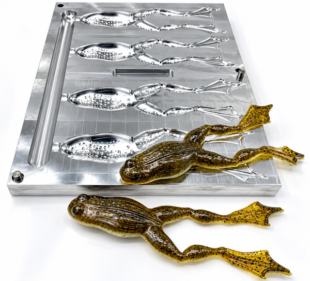
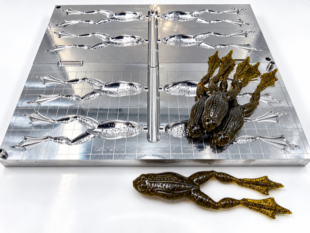
The two primary materials are aluminum and high-temperature silicone. Aluminum molds are the industry standard for serious bait makers. They conduct heat evenly, cool quickly, and last for decades with proper care. The precision they offer produces clean, detailed baits every single time.
Silicone molds, on the other hand, are more affordable and flexible, making it easier to pop out delicate baits. They’re a great entry point for beginners, though they don’t last as long or produce quite the same crisp detail as aluminum. If you’re just testing the waters, silicone is a budget-friendly way to start.
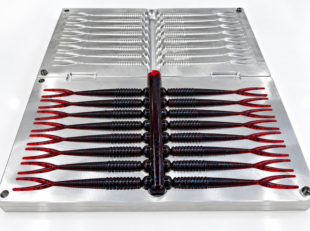
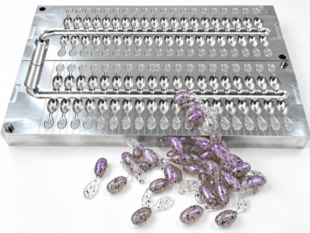
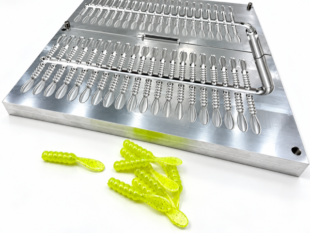
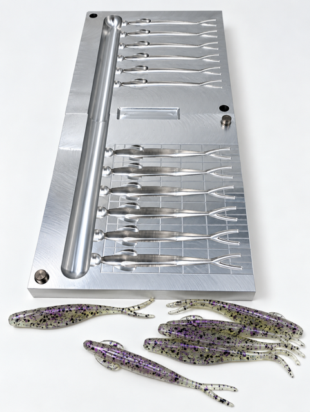
One of the most exciting parts of making your own baits is the sheer variety of shapes you can create. Here are some of the most popular styles anglers in Whitehouse, TX love to pour:
Having a range of molds lets you adapt to whatever the fish are feeding on that day. We always recommend starting with the styles you fish most and expanding your collection as you grow more comfortable with the process.
Getting started is easier than most people think. You don’t need a full-blown workshop to pour quality baits—just a few key items and a dedicated space. When we help new customers set up, we focus on the essentials first so they don’t get overwhelmed or overspend.
Here’s the core equipment you’ll want to have on hand:
Safety deserves real emphasis here. Heated plastisol releases fumes, so we never pour without proper ventilation and a mask. The plastic also reaches temperatures around 350°F, which means heat-resistant gloves and a steady hand are a must. Treat the process with respect and you’ll enjoy it for years.
Once you have your gear, the actual pouring is straightforward. You heat the plastisol in short intervals, stir in your colorant and additives, and carefully pour into the mold cavities. Within minutes, the baits cool and you simply pop them out. The first time you pull a perfect bait from the mold, you’ll understand why so many anglers never go back to store-bought again.
If there’s one reason we’re so passionate about making our own baits, it’s customization. The fish in your local waters have seen the same mass-produced colors thousands of times. When you can offer them something slightly different, you gain a genuine edge. This is where bait molds soft plastics truly shine.
Color matching alone opens up endless possibilities. We’ve dialed in baits to match the exact shade of the forage in specific lakes around East Texas. On clear-water days, we lean toward natural translucent greens and watermelon tones. In stained or muddy water, we pour bold junebug, black-and-blue, or chartreuse combinations that fish can find by feel and silhouette.
Beyond color, consider these customization options:
These variables let you create a bait that performs exactly how you want it to. Want a stick bait that falls slowly with a subtle shimmy? You can engineer that. Need a craw that stands up on the bottom with defensive claws up? A quality mold and the right pour gets you there. This level of control is simply impossible with off-the-shelf products.
For anglers here in Whitehouse, TX, the local fishing scene makes bait pouring especially rewarding. With a mix of farm ponds, creeks, and nearby reservoirs, having a versatile arsenal of custom baits means you’re always prepared no matter where you cast. We’ve found that being able to adjust our lures to the conditions of each specific body of water has noticeably improved our catch rates.
If you’re just beginning, here’s the roadmap we recommend to new bait makers:
One of the biggest advantages of pouring your own is the ability to produce in bulk right before a big trip or tournament. Instead of scrambling to find the right bait at a shop, you can sit down the night before and pour exactly what you need. There’s a real satisfaction in catching fish on a bait you made with your own hands.
We also encourage anglers to connect with the broader bait-making community. Online forums and resources like the In-Fisherman community are full of tips, recipes, and troubleshooting advice. Learning from others accelerates your progress and helps you avoid common mistakes we all made early on.
We’ve made just about every rookie mistake in the book, so let us save you some trouble. Avoiding these pitfalls will get you producing professional-quality baits much faster. Pouring bait molds soft plastics has a learning curve, but these tips smooth the path considerably.
Patience is the most valuable trait a new bait maker can have. Your first batch might not be perfect, and that’s completely normal. The beauty of this hobby is that any imperfect bait can simply be remelted and poured again. Nothing goes to waste, which makes experimenting virtually risk-free.
As you refine your technique, you’ll develop a feel for the right temperature, the ideal pour speed, and the perfect additive ratios. Before long, you’ll be producing baits that rival—and often exceed—anything on the shelf.
Making your own soft plastic baits has genuinely transformed the way we fish, and we believe it can do the same for you. From the dramatic cost savings to the endless customization and the pure satisfaction of catching fish on your own creations, the benefits are impossible to ignore. Whether you’re a weekend angler or a dedicated tournament competitor in Whitehouse, TX, investing in quality bait molds puts the power of a custom tackle shop right in your own home.
At Bulk Baits, we’re here to support you every step of the way, from your very first pour to your hundredth batch. We offer the molds, plastisol, colorants, and expertise you need to succeed with bait molds soft plastics. Ready to transform your soft plastic lure game and start saving money while catching more fish? Visit us at https://bulkplasticbaits.com today and discover everything you need to get started. Your best fishing days are waiting—let’s pour them into reality.
If you run a tackle shop, guide service, or online bait store, you already know that margins matter as much
Why Bulk Bass Fishing Lures Are the Smart Angler’s Secret Weapon If you have ever stood at the register staring