
Swimbait Molds
Swimbait molds allow anglers to create some of the most realistic and effective soft plastic baits available. Designed to imitate baitfish with natural swimming motion, swimbaits are a proven option for targeting bass and other predatory species. With custom swimbait molds, anglers gain full control over size, profile, action, and sink rate—giving them the ability to tailor each bait to specific fishing conditions.
Unlike many other soft plastics that rely on subtle presentation, swimbaits are built around movement. The tail action, body roll, and vibration are what make them so effective. Custom aluminum swimbait molds allow you to refine those elements instead of relying on factory-produced designs that may not perfectly match your needs.
If you’re serious about covering water efficiently, targeting larger fish, or building a realistic baitfish presentation, swimbait molds are essential.
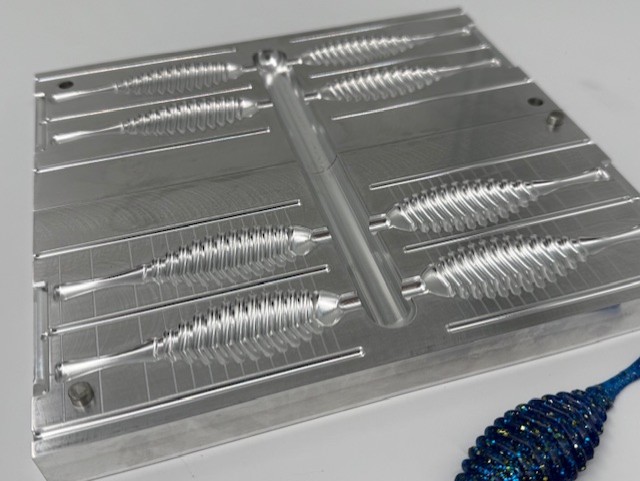
What Are Swimbait Molds?
Swimbait molds are precision aluminum molds designed to produce soft plastic baits that mimic the swimming motion of baitfish. These molds create baits with integrated tail designs—most commonly paddle tails—that generate vibration and forward motion during retrieve.
A quality swimbait mold allows you to control:
Body thickness
Tail size and shape
Overall bait length
Plastic density
Flexibility and durability
Because movement is critical in swimbaits, consistency in molding is extremely important. Aluminum molds provide the detailed cavity definition needed to produce clean pours and predictable action.
Why Swimbaits Are So Effective
Swimbaits are effective because they replicate one of the most common food sources in freshwater and inshore environments: baitfish. Predatory species instinctively respond to the steady swimming motion of a fleeing fish.
Unlike erratic reaction baits, swimbaits create a natural, repeatable action. This makes them ideal for:
Covering large areas of water
Targeting suspended fish
Fishing open water structure
Slow rolling near bottom
Swimbait molds allow anglers to adjust size and movement based on water clarity, forage size, and seasonal feeding patterns.
Types of Swimbait Molds
Paddle Tail Swimbait Molds
Paddle tail molds are the most popular type of swimbait molds. These designs feature a rounded tail that kicks rhythmically during retrieve, producing vibration and subtle body roll.
Paddle tail swimbaits excel in:
Open water retrieves
Grass edges
Points and ledges
Casting and steady retrieve applications
By adjusting tail thickness and plastic softness, anglers can influence how aggressively the tail moves.
Slim Profile Swimbait Molds
Slim swimbait molds create more streamlined baitfish imitations. These designs often produce tighter swimming action and are effective in clear water or heavily pressured environments.
They are ideal for:
Finesse applications
Clear water lakes
Targeting suspended fish
Slim profiles often benefit from softer plastic blends to maximize subtle body movement.
Larger Profile Swimbait Molds
Larger swimbait molds produce baits designed to target bigger fish. These molds emphasize bulk and strong tail action, creating a noticeable presence in the water.
They are particularly effective for:
Trophy bass fishing
Deep structure
Cold water slow rolling
Heavy forage situations
Adjusting density allows anglers to control sink rate for deeper presentations.
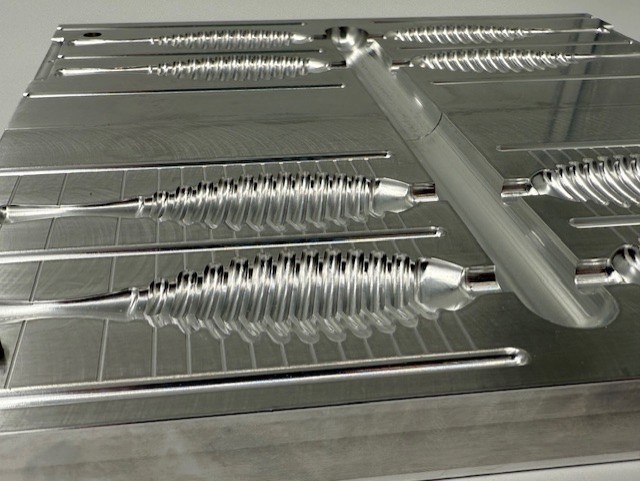
Customizing Swimbaits with Aluminum Molds
Aluminum swimbait molds provide the precision required to produce consistent body shapes and tail alignment. Even slight imperfections in tail design can impact swimming action, which makes mold quality critical.
When pouring swimbaits, anglers can adjust:
Plastic softness for enhanced tail movement
Plastic density for sink rate control
Color layering for realistic baitfish patterns
Flake and contrast for visibility
This level of customization makes it possible to match local forage more accurately than most store-bought options.
Benefits of Making Your Own Swimbaits
One of the biggest benefits of using swimbait molds is cost control. Larger swimbaits, especially premium models, can be expensive to replace. Producing your own significantly reduces per-bait cost over time.
Customization is another major advantage. You can create unique color schemes, adjust fall rates, and refine tail movement until you achieve the exact action you want. In pressured fisheries, subtle differences in profile and action can lead to more strikes.
Making your own swimbaits also ensures consistency. When you find a design that works, you can reproduce it exactly without worrying about manufacturer variations.
When to Use Swimbait Molds
Swimbait molds are particularly valuable in:
Open water fishing
Suspended fish scenarios
Clear water lakes
When targeting larger bass
Matching baitfish forage patterns
Because swimbaits rely on natural movement, they remain effective year-round when adjusted for depth and speed.
Choosing the Right Swimbait Mold
When selecting a swimbait mold, consider:
Target species size
Water clarity
Primary fishing depth
Preferred retrieve style
If you primarily fish shallow grass edges, a mid-size paddle tail mold may be ideal. For deeper structure, larger profile molds with adjustable density offer better control.
Building a small selection of swimbait molds allows you to adapt quickly to seasonal changes.
Why Bulk Plastic Baits Swimbait Molds Stand Out
Bulk Plastic Baits swimbait molds are designed for clean pours, consistent action, and practical fishing application. Each mold focuses on producing balanced body shapes and reliable tail movement, ensuring predictable performance in the water.
Whether you’re experimenting with custom color patterns or refining a proven swimbait setup, these molds provide durability and precision for long-term use.
Build a More Realistic Presentation
Swimbait molds give anglers the tools to create lifelike baitfish imitations tailored to specific fishing conditions. By controlling size, movement, and sink rate, you can refine your presentation and target fish more effectively.
Adding swimbait molds to your soft plastic lineup expands your ability to cover water, match forage, and adapt to changing conditions—all while maintaining full control over your bait-making process.