Frog Molds
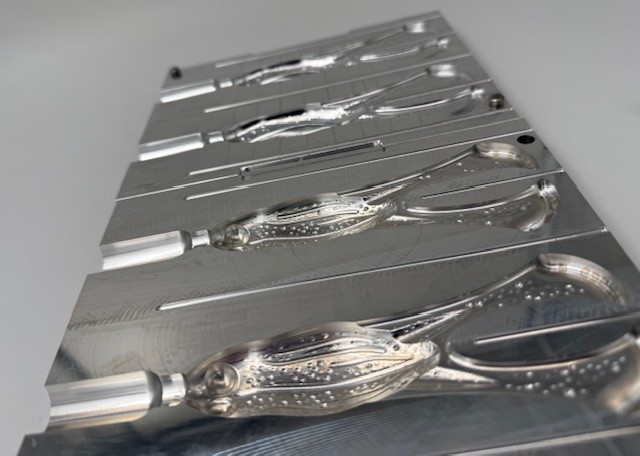
Frog molds give anglers the ability to create one of the most exciting and aggressive soft plastic bait categories in fishing. Frog baits are known for explosive topwater strikes, heavy-cover performance, and their ability to trigger reaction bites in shallow water. With custom frog molds, anglers gain full control over buoyancy, body shape, leg action, and durability—allowing them to fine-tune performance instead of relying on mass-produced designs.
Whether you’re fishing grass mats, lily pads, shoreline vegetation, or shallow structure, frog molds allow you to produce baits built specifically for those conditions. From subtle gliding frogs to high-action kicking designs, custom aluminum molds give you the flexibility to experiment and adapt.
If you’re building a complete soft plastic lineup, frog molds are essential for covering shallow, aggressive feeding scenarios.
Why Frog Baits Are So Effective
Frog baits imitate amphibians and small prey that frequently move across or fall into shallow water. Predatory fish, especially bass, instinctively respond to these vulnerable targets. The surface disturbance, combined with the silhouette of a frog, creates high-visibility strikes that are both aggressive and memorable.
Frog molds allow anglers to recreate this presentation with precision. Unlike store-bought frogs that may vary slightly in buoyancy or softness, custom frog molds let you control:
How the frog sits in the water
How easily it collapses on a strike
How much surface disturbance it creates
How durable it remains after multiple fish
These small details directly influence hookup ratio and overall effectiveness.
Customizing Frog Performance with Aluminum Molds
Aluminum frog molds provide long-term durability and consistent pours. Because frogs require precise shape and balance to function properly, the accuracy of aluminum molds is especially valuable.
When pouring frog baits, anglers can adjust:
Plastic density for buoyancy control
Softness for better hook collapse
Color layering for visibility
Flake and contrast for added realism
These adjustments make it possible to create frogs tailored to specific fisheries and seasonal conditions.
Types of Frog Molds
Hollow-Body Frog Molds
Hollow-body frog molds are designed to create buoyant baits that float high in the water and remain weedless in thick cover. These frogs excel in heavy vegetation, allowing anglers to work them across grass mats and lily pads without constant hang-ups.
Because buoyancy is critical, plastic density and wall thickness matter. Custom frog molds allow anglers to experiment with balance and weight distribution to achieve the ideal walking or popping action.
Solid-Body Frog Molds
Solid-body frog molds produce more durable frogs that can be used in both open water and moderate cover. While they may not collapse the same way hollow frogs do, they offer increased durability and consistent performance.
Solid frogs are especially useful when fish are striking aggressively or when fishing around sparse vegetation, docks, or shoreline cover.
High-Action Leg Frog Molds
Some frog molds emphasize exaggerated leg or appendage movement. These designs create additional vibration and surface disturbance, which can be beneficial in stained or murky water.
By adjusting plastic softness and appendage thickness, anglers can control how aggressively the legs kick during retrieval. Softer plastics create more movement, while firmer blends reduce excessive action and increase longevity.
Benefits of Making Your Own Frog Baits
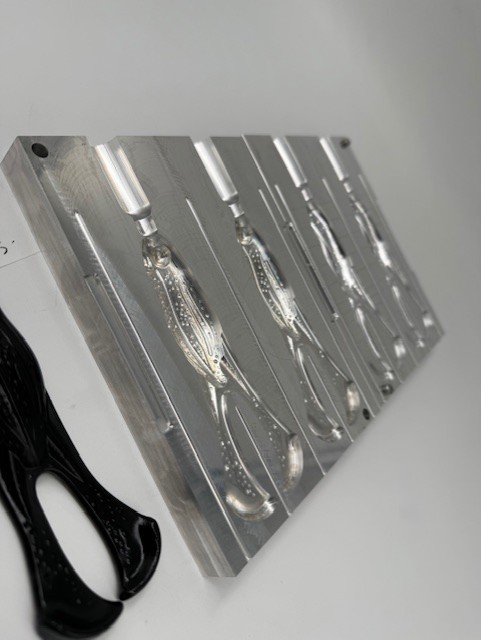
Making your own frog baits provides several key advantages. First, it reduces long-term costs, particularly for anglers who fish heavy cover where frogs frequently get damaged or lost. Producing your own replacements ensures you’re never limited by store inventory.
Second, custom frog molds allow you to create unique color patterns that match local forage or stand out in stained water. This customization can make a significant difference in pressured environments.
Finally, pouring your own frogs gives you control over softness and durability. Finding the right balance between collapse and resilience improves hookup ratios and extends bait life.
When to Use Frog Molds
Frog molds are most valuable in:
Warm-water conditions
Shallow lakes and ponds
Heavy vegetation
Low-light scenarios (morning and evening)
However, frog baits can also produce results anytime fish are feeding upward or holding shallow.
Choosing the Right Frog Mold
When selecting a frog mold, consider:
Primary cover type
Desired action (walking vs popping)
Water clarity
Target species
If you primarily fish heavy grass, prioritize weedless and buoyant designs. If you fish mixed cover, consider versatile molds that can handle multiple presentations.
Building a small collection of frog molds allows you to adapt quickly to changing conditions.
Expand Your Shallow-Water Strategy
Frog molds give anglers the ability to build custom topwater baits tailored to their specific fishing environment. From heavy grass mats to open shoreline cover, frog baits remain one of the most exciting and effective tools in shallow water.
By adding frog molds to your bait-making lineup, you gain greater control over action, buoyancy, and durability—ensuring your frogs perform exactly how you need them to when it matters most.